Increased tool life and reduced tool wear
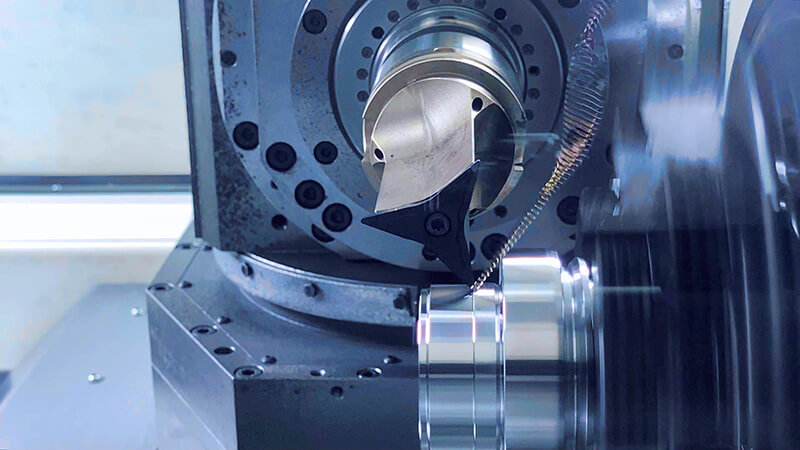
Dynamic milling is a cutting-edge machining technique that offers numerous advantages over traditional milling methods. One of the key benefits of dynamic milling is its ability to significantly increase tool life and reduce tool wear. In this article, we will explore how dynamic milling achieves these advantages and why it is becoming increasingly popular in the manufacturing industry.
To understand why dynamic milling is so effective in prolonging tool life, it is important to first grasp the concept of tool engagement. Tool engagement refers to the amount of contact between the cutting tool and the workpiece during the machining process. In traditional milling, the tool engagement is typically constant throughout the operation, resulting in continuous wear on the tool. This constant contact leads to accelerated tool wear and shorter tool life.
Dynamic milling, on the other hand, employs a variable tool engagement strategy. By constantly adjusting the depth of cut and the width of engagement, dynamic milling ensures that the tool is only in contact with the workpiece when necessary. This dynamic approach reduces the overall cutting forces and heat generated during the machining process, resulting in less tool wear and longer tool life.
Furthermore, dynamic milling allows for higher cutting speeds and feeds, which further contributes to increased tool life. By optimizing the cutting parameters, such as spindle speed and feed rate, dynamic milling enables faster material removal rates without compromising the tool’s integrity. This increased productivity not only saves time but also reduces the number of tool changes required, leading to significant cost savings for manufacturers.
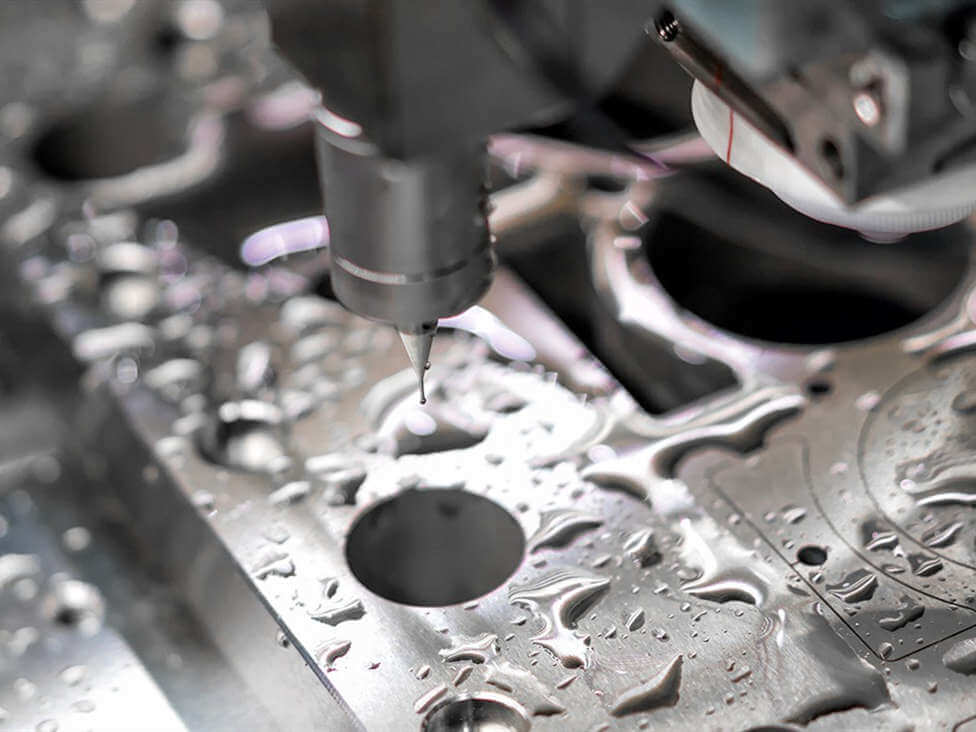
Another advantage of dynamic milling is its ability to minimize the risk of chip recutting. Chip recutting occurs when the chips produced during the machining process are not effectively evacuated from the cutting zone and end up being re-cut by the tool. This phenomenon can lead to increased tool wear and poor surface finish. Dynamic milling, with its variable tool engagement, ensures efficient chip evacuation, reducing the chances of chip recutting and improving the overall machining quality.
In addition to the benefits mentioned above, dynamic milling also offers improved surface finish and reduced machining vibrations. The variable tool engagement strategy helps to distribute the cutting forces more evenly, minimizing vibrations that can negatively impact the surface finish. This results in smoother and more precise machined surfaces, which is particularly important for industries that require high-quality finishes, such as aerospace and medical device manufacturing.
It is worth noting that while dynamic milling offers numerous advantages, it does require advanced machining equipment and software. The implementation of dynamic milling may require initial investment in upgrading existing machinery or acquiring new equipment. However, the long-term benefits, such as increased tool life and reduced tool wear, far outweigh the initial costs.
In conclusion, dynamic milling is a machining technique that offers significant advantages over traditional milling methods. By employing a variable tool engagement strategy, dynamic milling increases tool life and reduces tool wear. It allows for higher cutting speeds and feeds, minimizes the risk of chip recutting, and improves surface finish. While the implementation of dynamic milling may require initial investment, the long-term benefits make it a worthwhile investment for manufacturers looking to optimize their machining processes.
Comments
Post a Comment