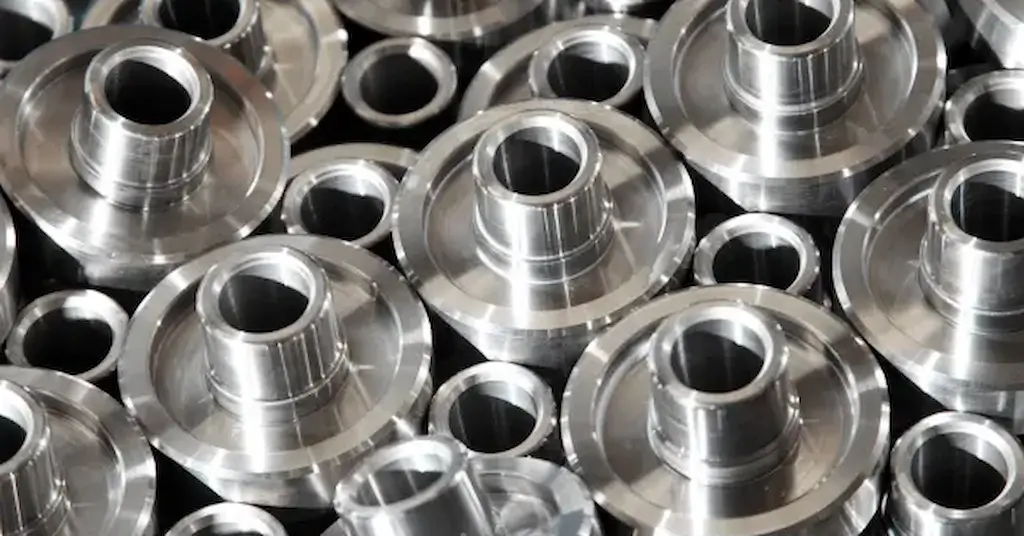
Introduction to Aluminum Machining
Aluminum machining is a process that involves shaping and forming aluminum into various parts and components. It is a widely used technique in industries such as automotive, aerospace, and construction. In this article, we will explore the process, methods, and features of aluminum machining.
Aluminum machining is the process of removing material from a workpiece to create the desired shape or form. This can be done through various methods such as cutting, drilling, milling, and turning. The goal is to achieve precision and accuracy in the final product.
One of the key features of aluminum machining is its versatility. Aluminum is a lightweight and malleable material, making it easy to work with. It can be easily shaped and formed into complex designs, making it ideal for a wide range of applications. Additionally, aluminum has excellent thermal and electrical conductivity, making it suitable for heat dissipation and electrical components.
There are several methods used in aluminum machining, each with its own advantages and limitations. One common method is cutting, which involves using a sharp tool to remove material from the workpiece. This can be done manually or using computer numerical control (CNC) machines. CNC machining offers greater precision and efficiency, as it is controlled by computer programs.
Drilling is another method used in aluminum machining. It involves creating holes in the workpiece using a rotating drill bit. This method is commonly used in the production of aluminum parts that require holes for fasteners or other components.

Milling is a process that involves removing material from the workpiece using a rotating cutting tool. It is commonly used to create complex shapes and contours in aluminum parts. Milling machines can be either vertical or horizontal, depending on the orientation of the cutting tool.
Turning is a method used to create cylindrical shapes in aluminum parts. It involves rotating the workpiece while a cutting tool removes material from the surface. This method is commonly used in the production of shafts, rods, and other cylindrical components.
Aluminum machining offers several advantages over other materials. Firstly, aluminum is lightweight, which makes it ideal for applications where weight is a concern, such as in the aerospace industry. Secondly, aluminum has excellent corrosion resistance, making it suitable for outdoor and marine applications. Lastly, aluminum is highly recyclable, making it an environmentally friendly choice.
In conclusion, aluminum machining is a versatile process that involves shaping and forming aluminum into various parts and components. It offers several advantages, including its lightweight nature, corrosion resistance, and recyclability. There are various methods used in aluminum machining, such as cutting, drilling, milling, and turning, each with its own advantages and limitations. Overall, aluminum machining plays a crucial role in various industries and continues to be a popular choice for manufacturers worldwide.
Comments
Post a Comment